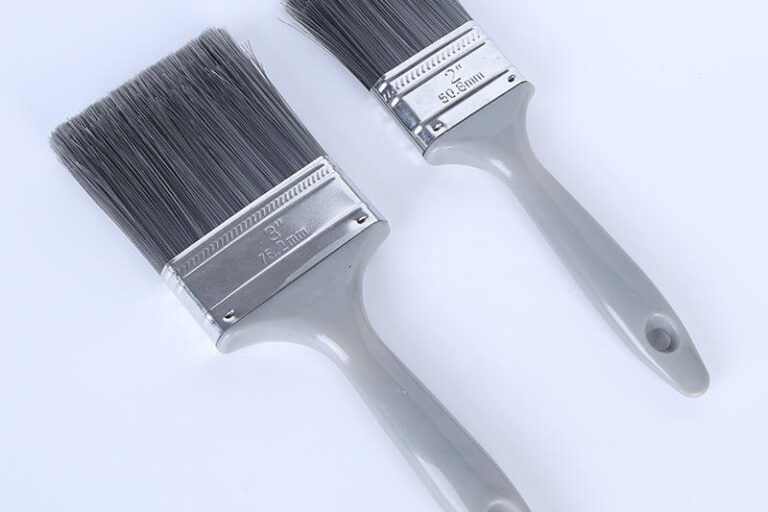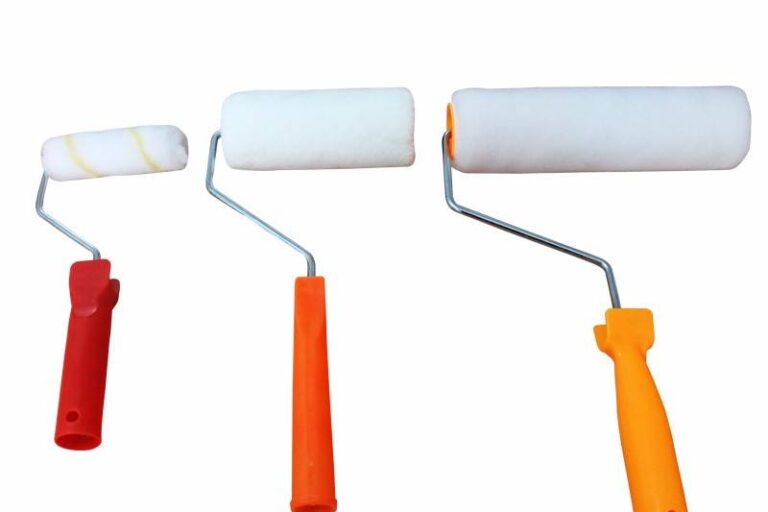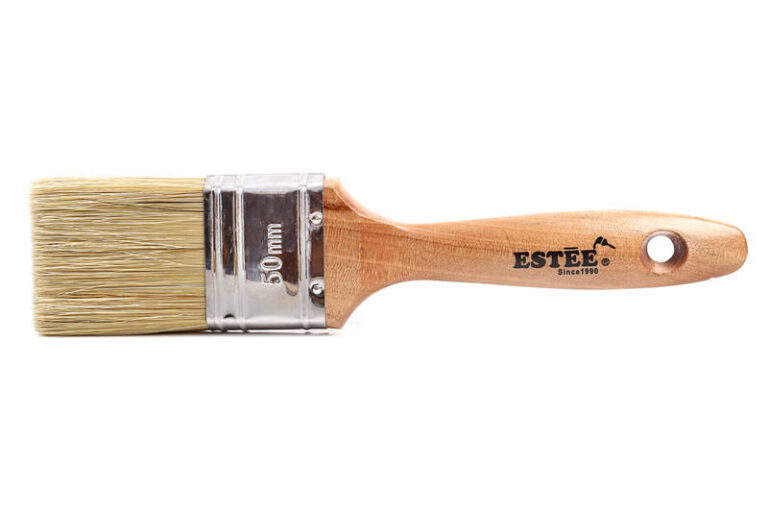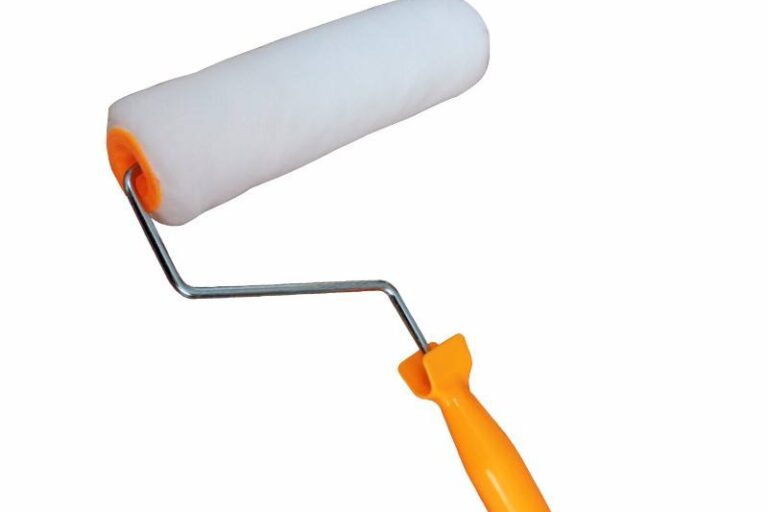

💰 Why Life-Cycle Cost Matters For contractors, the true expense of paint brushes is not just the purchase price—it’s the total cost of ownership. Cleaning, reuse, and replacement frequency all add up. Buyers and procurement managers who analyze life-cycle costs can make smarter purchasing decisions, ensuring both profitability and performance. 🧼 Cleaning and Reuse Practices…
Industrial Coatings: Brush Selection for Epoxy, Urethane, and Enamel
🏭 Why Brush Choice Is Critical in Industrial Coatings Industrial coatings—such as epoxies, urethanes, and enamels—are designed for durability, chemical resistance, and heavy-duty protection. However, these same qualities make them challenging to apply. Buyers supplying contractors or factories must ensure that the brushes and rollers selected can handle viscosity, cure times, and finish requirements without…
Handles & Ergonomics: Wood vs PP, Balance, and Fatigue Reduction
🖐 Why Ergonomics Matter in Brush Design For contractors and professional painters, a paint brush is held for hours at a time. Handle design directly affects comfort, precision, and fatigue. Procurement teams that understand handle ergonomics can choose the right SKUs for different markets, reducing product returns and increasing customer loyalty. 🌲 Wooden Handles: Tradition…
Artist Brush Shapes for Acrylic vs Watercolor: A Manufacturer’s View
🎨 Why Brush Shapes Matter in the Art Market Unlike industrial or contractor tools, artist brushes require precise performance tailored to medium and technique. Acrylics demand durability and stiffness, while watercolors need softness and water retention. For distributors and retailers, stocking the right brush shapes is essential to serve art schools, hobbyists, and professional studios.…
Filament Science: Taper, Flagging, and Bend Recovery Explained
🔬 Why Filament Engineering Matters For distributors and contractors, the difference between a low-cost brush and a professional-grade tool often lies in filament science. The way synthetic filaments are tapered, flagged, and engineered for bend recovery determines paint pick-up, release, and durability. Buyers who understand these specs can secure brushes that consistently meet professional demands.…
Angled Sash vs Flat: Cutting-In Techniques That Slash Tape Usage
🎯 Why Cutting-In Matters for Contractors Cutting-in is the skill of painting precise lines without masking tape. For contractors, mastering this technique improves productivity, reduces material waste, and showcases professional craftsmanship. The type of brush—angled sash or flat—plays a critical role in achieving sharp, consistent results. 🖌 Angled Sash Brushes: Precision on Edges Beveled filament…
Roller Cover Nap & Core Diameter: The Factory Guide to Fast Coverage
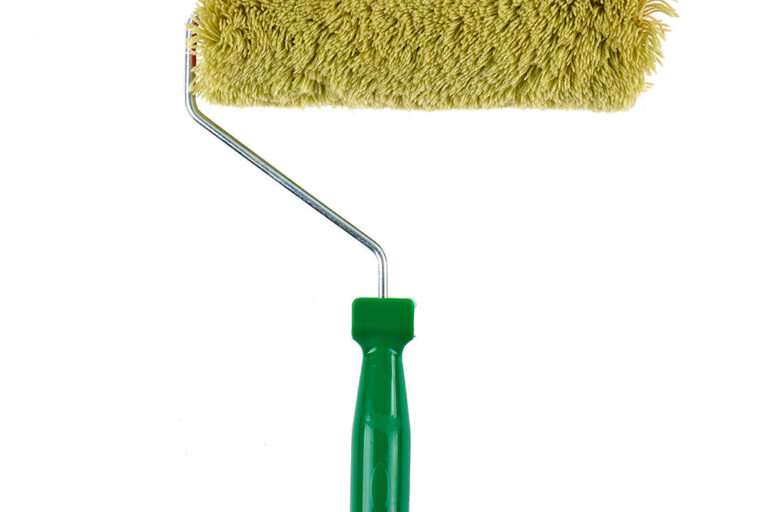
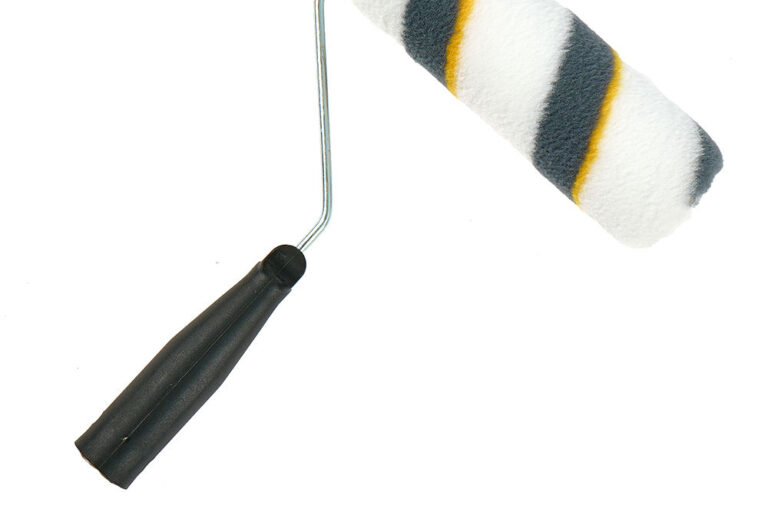
🖌 Why Roller Cover Specs Matter For large-scale painting projects—whether commercial buildings or industrial coatings—the right roller cover is as important as the paint itself. Buyers choosing nap length and core diameter directly affect coverage speed, finish smoothness, and labor efficiency. Missteps here lead to costly rework and dissatisfied end-users. 📏 Nap Length: Matching Surface…
Ferrule, Epoxy, and Crimping: How Anti-Shedding Brushes Are Made
🏭 Why Shedding Is a Critical Concern For professional painters and contractors, few things are more frustrating than bristles left behind on freshly coated surfaces. Shedding reduces finish quality, increases rework costs, and damages brand reputation. For procurement managers, ensuring anti-shedding performance is not just a product detail—it’s a guarantee of end-user satisfaction. 🔩 Ferrule…
Choosing Bristles for Water-Based vs Oil Paints: A Buyer’s Guide
🖌 Why Bristle Selection Matters When buyers evaluate paint brushes for professional markets, bristle choice is one of the most critical factors. The wrong bristle type can lead to streaks, poor coverage, or premature wear. For distributors, contractors, and retailers, selecting the right bristles is not just about performance—it’s about long-term customer satisfaction and reducing…